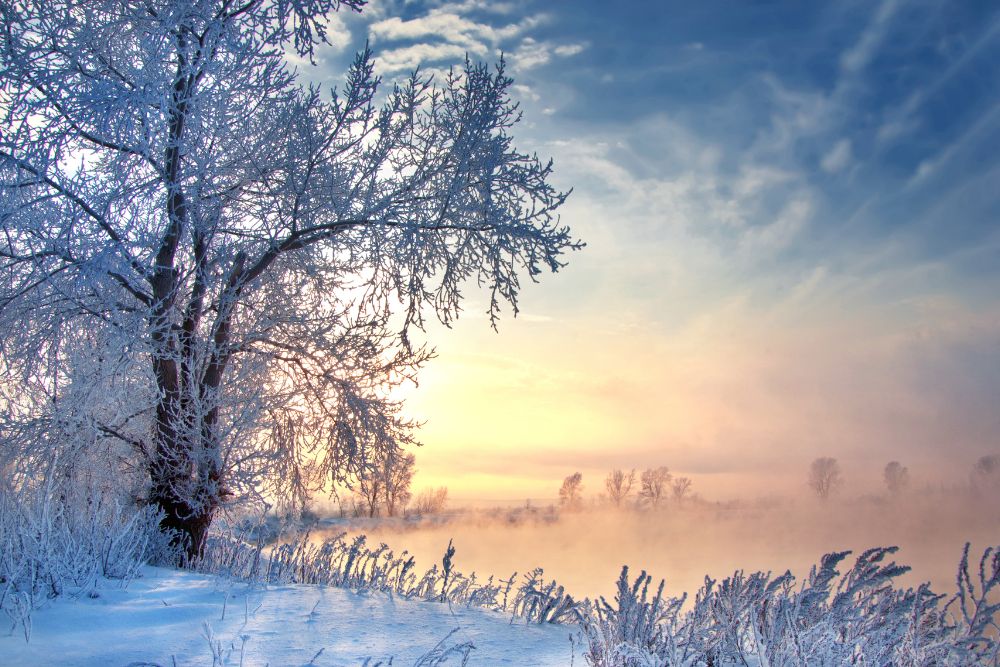
Winter Solstice & Final Chapters: Finding Light in the Darkest Season
When Darkness Teaches Us About Light
On December 21st, the Northern Hemisphere experiences its longest night. The Winter Solstice marks the peak of darkness before light begins its slow return. For thousands of years, humans have gathered during this liminal time to acknowledge the dark, honor what’s ending, and trust that dawn will come.
If you’re navigating a terminal diagnosis, caring for someone in their final months, or facing the reality that time is running out, the Winter Solstice carries profound metaphorical weight. You, too, are in the longest night—a season of endings, uncertainty, and shadows. Yet within that darkness, there is still light to be found. Not the forced cheerfulness of toxic positivity, but the quiet, enduring light of meaning, connection, and peace.
This guide explores how the ancient wisdom of the Winter Solstice can inform modern end-of-life care. You’ll discover practices for finding hope when hope feels impossible, creating meaningful rituals for life’s final chapter, and understanding that even in our darkest hours, we are held by something larger than ourselves.
The Winter Solstice: Ancient Wisdom for Modern Dying
Long before electric lights and modern medicine, humans lived intimately with darkness. Winter was a time of scarcity, cold, and death. Yet cultures worldwide developed rituals to mark the Solstice—not to deny the darkness, but to move through it with intention and community.
Historical Solstice Traditions Across Cultures
Stonehenge (England): Built over 5,000 years ago, Stonehenge aligns precisely with the Winter Solstice sunset. Ancient people gathered to witness light penetrating the stone circle, affirming that darkness is temporary.
Dongzhi Festival (China): Marking the Winter Solstice, Dongzhi celebrates the return of longer days and the balance between yin (darkness) and yang (light). Families gather to eat tangyuan (sweet rice balls) symbolizing reunion and completeness.
Yule (Norse/Germanic Traditions): Ancient Norse peoples burned a Yule log throughout the longest night, keeping vigil together until sunrise. The fire represented hope, warmth, and the promise of light’s return.
Soyal (Hopi Tradition): The Hopi Soyal ceremony welcomes the kachinas (spirit beings) back to Earth, purifies the community, and plans for the coming year. It’s a time of spiritual renewal through darkness.
What These Traditions Teach Us About Dying
These ancient rituals share common themes that resonate powerfully with end-of-life experiences:
1. Darkness is not the enemy—it’s a necessary passage. 2. Community and witness matter—no one should be alone in the dark. 3. Light always returns, even when we can’t yet see it. 4. Endings and beginnings are intertwined—death is transformation, not obliteration.
When modern medicine has done all it can, when curative treatments have stopped, when you’re in the “longest night” of terminal illness, these timeless truths offer a different kind of comfort. They remind us that humans have always faced mortality with ritual, meaning, and hope.

Finding Hope When Hope Feels Impossible: The Paradox of Terminal Illness
“Finding hope” sounds like a cruel joke when you’ve been told you have weeks or months to live. But here’s what we’ve learned from decades of palliative and end-of-life care: hope doesn’t disappear at the end of life—it transforms.
How Hope Changes in Life’s Final Chapter
Early Hope (At Diagnosis): Hope for a cure. Hope for more time. Hope that the doctors are wrong.
Middle Hope (During Treatment): Hope for remission. Hope for comfort. Hope to see one more birthday, one more holiday.
Late Hope (End of Life): Hope for peace. Hope for meaningful goodbyes. Hope that your death will be gentle. Hope that your loved ones will be okay. Hope that your life mattered.
Research published in Journal of Palliative Medicine confirms that patients with terminal illness often experience a shift from hoping for cure to hoping for quality time, peaceful death, and legacy. This isn’t giving up—it’s a profound act of acceptance that opens new doors.
Where to Find Light in the Longest Night
If you’re in life’s final chapter, here are places people consistently find meaning, hope, and light:
Connection: The quality of your relationships often becomes more important than the quantity of your days. Deep conversations, reconciliation, expressions of love—these create light in dark times.
Legacy: Knowing your life will be remembered, that your values will continue through your children, or that your story will be told—this provides a sense of immortality that transcends physical death.
Spiritual Meaning: Whether through religious faith, connection to nature, or a sense of something larger than yourself, spiritual practices help many people find peace with dying.
Beauty: Sunsets, music, poetry, a grandchild’s laughter—beauty doesn’t disappear at the end of life. Sometimes, awareness of impermanence makes beauty even more profound.
Release: For some, the deepest hope is simply to stop fighting, to let go, to trust the process. This surrender can bring immense relief.
At Empowered Endings, we help families identify what matters most in their final chapter and create space for those priorities to take center stage.
The Spirituality of Dying: Beyond Religion, Into Meaning
You don’t have to be religious to have a spiritual experience at the end of life. In fact, many people who never identified as spiritual describe profound moments of transcendence, connection, or peace as death approaches.
What Spirituality Means in Palliative Care
The World Health Organization defines spiritual care as addressing questions of meaning, purpose, hope, and connection to something greater than oneself. This can look like:
- A lifelong atheist feeling unexpectedly at peace after reconciling with an estranged daughter
- A Christian patient finding comfort in prayer and scripture
- A Buddhist individual practicing meditation and acceptance
- An agnostic person feeling held by love even without belief in an afterlife
- Someone with no faith tradition, feeling awe at the mystery of existence
Elizabeth Uslander, MSW, MTS, Empowered Endings’ spiritual director, explains: “Spiritual care isn’t about converting anyone or imposing beliefs. It’s about honoring each person’s unique search for meaning and ensuring they feel whole—even as their body fails.”
Common Spiritual Questions at End-of-Life
People facing death often grapple with:
- “Did my life matter?” (The search for significance)
- “Will I be remembered?” (The need for legacy)
- “What happens after I die?” (Existential curiosity or fear)
- “Can I be forgiven?” (The desire for reconciliation)
- “Is it okay to let go?” (Permission to die)
These aren’t questions with easy answers, but they’re questions worth asking. Creating space to explore them—with a chaplain, counselor, trusted friend, or spiritual community—can bring profound peace.
Creating Winter Solstice Rituals for Life’s Final Chapter
Ritual gives structure to chaos. It transforms private pain into shared meaning. During the darkest time of year, and the darkest chapter of life, intentional rituals can provide comfort, connection, and a sense of control.
Solstice-Inspired End-of-Life Rituals
1. The Vigil
Just as ancient peoples kept watch through the longest night, families can keep vigil during the final days. This doesn’t mean never sleeping—it means being intentionally present, taking turns, creating sacred space.
How to create a vigil:
- Arrange shifts so the dying person is never alone
- Dim the lights and light candles
- Play soft music or read poetry
- Share stories about the person’s life
- Practice silence and simply bear witness
2. Light Ceremonies
The Solstice celebrates light returning. At the end of life, light ceremonies can symbolize the transition from physical presence to memory and legacy.
How to create a light ceremony:
- Gather the family around the bedside
- Light one candle for each decade of the person’s life
- Speak aloud what you’re grateful for
- If appropriate, invite the dying person to share their own reflections
- Leave the candles burning (safely) as a symbol of ongoing presence
3. Legacy Writing on the Longest Night
The Winter Solstice, occurring on December 21st, offers a powerful opportunity for legacy work. If your loved one can still communicate, spend the longest night recording their stories, values, and wishes for those they’ll leave behind.
Questions to guide legacy conversations:
- “What are you most proud of?”
- “What do you hope we’ll remember about you?”
- “What values do you want to pass down?”
- “Is there anything left unsaid that you need to say?”
Empowered Endings can help facilitate these conversations through our legacy planning services, ensuring your loved one’s voice is preserved.
4. Nature Connection
The Solstice reminds us we’re part of natural cycles—birth, growth, decline, death, and rebirth. If possible, bring elements of nature into the dying person’s space.
- Open windows to let in fresh air and winter light
- Bring in evergreen branches (pine, cedar) symbolizing endurance
- Display seasonal flowers or plants
- Play recordings of nature sounds (ocean waves, forest birds, winter wind)
5. Gratitude Circle
On the Solstice, many traditions emphasize reflection on what has been and what will come. Gather loved ones to share gratitude for the dying person’s life.
How to facilitate:
- Each person shares one specific memory they’re grateful for
- The dying person, if able, shares what they’re grateful to have experienced
- No one is forced to speak; silence is also sacred
- End with a collective statement: “We are grateful for you. We will carry you forward.”
The Permission to Die: Releasing Into the Dark
One of the most profound gifts you can give a dying person is permission to let go. Many people hold on—sometimes in pain, sometimes past all quality of life—because they don’t want to abandon their loved ones or they fear they haven’t done enough.
What Permission to Die Sounds Like
These phrases, spoken with love and sincerity, can release someone who’s struggling to let go:
- “We’re going to be okay. You don’t have to worry about us.”
- “You’ve done everything you needed to do. It’s okay to rest now.”
- “We’ll take care of each other. You can go whenever you’re ready.”
- “Thank you for everything you’ve given us. We’ll hold you in our hearts always.”
- “It’s okay to stop fighting. We’re right here with you.”
Research on end-of-life communication shows that explicit permission to die can reduce agitation and provide comfort to patients who are lingering. They’re not waiting for a medical intervention—they’re waiting for emotional release.
When Holding On Becomes Suffering
Sometimes families inadvertently communicate the opposite message: “Don’t leave me. I can’t live without you. Please keep fighting.” This can be a heavy burden for someone who’s exhausted and ready to die.
If you’re struggling to give permission because of your own fear and grief, that’s completely understandable. This is where professional support makes a difference. Our chaplains and grief counselors can help you work through your feelings so you can offer your loved one the gift of a peaceful release.
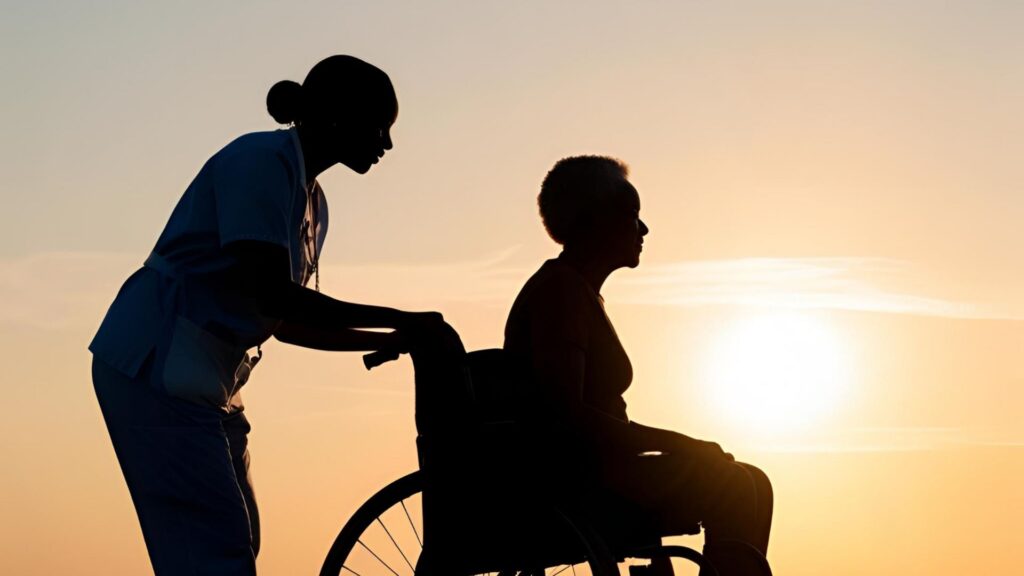
Hope for Caregivers: You Are Also in the Dark
If you’re caring for someone at the end of life, you’re not just witnessing their longest night—you’re living through your own. Caregiver burnout, anticipatory grief, existential exhaustion—these are the shadows that families navigate alongside physical caregiving.
Finding Your Own Light as a Caregiver
1. Microdoses of Joy
You don’t have to wait until after death to experience moments of lightness. A good cup of coffee, five minutes in the sun, a funny text from a friend—these tiny moments of relief are not betrayals of your grief. They’re survival.
2. Community Support
The Winter Solstice traditions emphasized gathering, not isolation. You need people around you—whether that’s a support group, a trusted friend, or a professional counselor.
Empowered Endings offers caregiver support groups where you can share your experience with others who understand. You don’t have to explain or justify your exhaustion. You’re among people who know.
3. Spiritual Practices
Even if you’re not religious, practices like meditation, nature walks, journaling, or simply sitting in intentional silence can provide respite for your overwhelmed nervous system.
4. Professional Support
Our concierge palliative care model doesn’t just care for the patient—we care for the entire family system. This includes:
- 24/7 physician oversight so you’re never alone in medical crises
- In-home nursing visits that reduce your care burden
- Emotional counseling for anticipatory grief
- Respite care coordination so you can take breaks
You cannot pour from an empty cup. Accepting support is not a weakness—it’s wisdom.
After the Solstice: What Comes After the Longest Night
The Winter Solstice teaches us that darkness peaks, and then light returns. Not all at once—the days lengthen gradually, almost imperceptibly at first. But the trajectory shifts. Dawn is coming.
What to Expect After Death
The grief after loss is often different than the anticipatory grief during decline. Some people feel profound relief. Others feel guilt about that relief. Many experience a strange emptiness after months of intense caregiving. All of these responses are normal.
The first weeks: Shock, numbness, going through motions. You’re in survival mode. Don’t expect to process or “deal with” your grief yet. You’re just getting through.
The first months: As the shock wears off, grief often intensifies. This is when many people benefit most from counseling and support groups. The casseroles have stopped coming, people expect you to be “back to normal,” but you’re still shattered.
The first year: You’ll cycle through all the “firsts”—first birthday without them, first holidays, first anniversary. Each milestone can retrigger grief. This is normal and expected.
Beyond: Grief doesn’t end, but it does change. The sharp edges soften. You learn to carry the loss rather than being crushed by it. Joy and sadness coexist. Light and dark become companions rather than enemies.
Medical Aid in Dying & VSED: Choosing Your Own Solstice
For some people, the metaphor of the Winter Solstice extends to end-of-life choices. Just as the Solstice marks an intentional transition, some individuals choose to actively participate in the timing of their death through Medical Aid in Dying (MAiD) or Voluntarily Stopping Eating and Drinking (VSED).
Understanding These Options
Medical Aid in Dying (MAiD): In California and several other states, terminally ill adults with capacity can request medication to peacefully end their life on their own terms. This requires a diagnosis of six months or less to live, full mental competency, and completion of a legal process.
Voluntarily Stopping Eating and Drinking (VSED): Some individuals choose to hasten death naturally by stopping all food and fluid intake. This typically results in a peaceful death within 10-14 days. VSED is legal everywhere and doesn’t require a terminal diagnosis, though medical support is strongly recommended.
Why People Choose These Paths
The reasons are deeply personal:
- Desire for control and agency in an uncontrollable situation
- Prevention of prolonged suffering
- Ability to plan a meaningful goodbye with loved ones present
- Values alignment (dying on their own terms)
- Spiritual or philosophical beliefs about the quality over quantity of life
These choices are not about “giving up” or “quitting.” They’re about self-determination at life’s end—choosing your own Solstice, your own moment of transition from darkness to whatever comes next.
How Empowered Endings Supports These Choices
Dr. Bob Uslander, our founder and medical director, is a leading expert in MAiD and VSED, licensed to provide MAiD support throughout California and Colorado. Our support includes:
- Education about all end-of-life options without judgment
- Medical oversight throughout the MAiD process (available in CA and CO)
- Family counseling to address fears and questions
- Presence during the final days and hours
- Grief support after death
We believe everyone deserves to make informed choices about their final chapter. Our role is to provide accurate information, compassionate care, and unwavering support—whatever path you choose.
Creating Your Own Winter Solstice Ritual This December
Whether you’re terminally ill, caring for someone who is, or simply reflecting on mortality during this dark season, you can create your own Solstice ritual. Here’s a template:
Personal Solstice Ritual Template
Preparation:
- Choose the evening of December 21st (or any night that feels right)
- Gather candles, a journal, and any meaningful objects
- Create a quiet, uninterrupted space
The Ritual:
- Acknowledge the Darkness (10 minutes)
- Light a single candle
- Speak aloud or write: “I acknowledge the darkness. I name what is ending.”
- Allow yourself to feel grief, fear, sadness—whatever is present
- Honor What Has Been (15 minutes)
- Light additional candles
- Reflect on what you’re grateful for, even in the dark
- Name what you’ve learned, who you’ve loved, how you’ve grown
- Invite the Light (10 minutes)
- Speak or write your hopes—not for cure, but for peace, meaning, love
- Ask: “What light am I still able to create or receive?”
- Sit in silence, watching the candles burn
- Commitment to Dawn (5 minutes)
- Make one commitment to yourself: “I will [rest, reach out for help, say what needs to be said, release control, etc]”
- Blow out all but one candle
- Let that single flame burn as a reminder: light persists, even in darkness
Conclusion: The Light You Carry Forward
The Winter Solstice teaches us that darkness is not punishment or proof of abandonment. It’s a natural phase in the eternal cycle of existence. The longest night gives way to dawn. Always.
If you’re in your final chapter or caring for someone who is, you are living through the Solstice. It’s hard. It’s scary. It’s unfair. And yet—even here, even now—there is light to be found. In a kind word. In a shared memory. In the courage it takes to face each day. In the love that endures beyond physical presence.
You don’t have to do this alone. You don’t have to pretend to be strong. You don’t have to have answers or find silver linings. You just have to keep breathing, one moment at a time, trusting that dawn will come.
At Empowered Endings, we walk with families through the longest nights. We help you find meaning, create rituals, and face death with as much peace and dignity as possible because everyone deserves to be heard, held, and whole—even in the dark.
One Next Step
If you’re navigating life’s final chapter—your own or a loved one’s—you don’t have to walk through the darkness alone.
👉 Book a complimentary Connection & Clarity Call with our compassionate care team. In 30-45 minutes, we’ll help you:
- Explore what kind of support would serve you best right now
- Discuss spiritual and legacy planning options
- Learn about palliative care, MAiD, VSED, and other end-of-life choices
- Create a plan that honors your values and brings peace
This call is gentle, confidential, and absolutely pressure-free. Sometimes just speaking with someone who understands the darkness makes it a little less frightening.
Book your Connection & Clarity Call here.
The Solstice reminds us: after the longest night, light always returns. Let us help you find your light.