What Does Independence Mean at the End of Life?
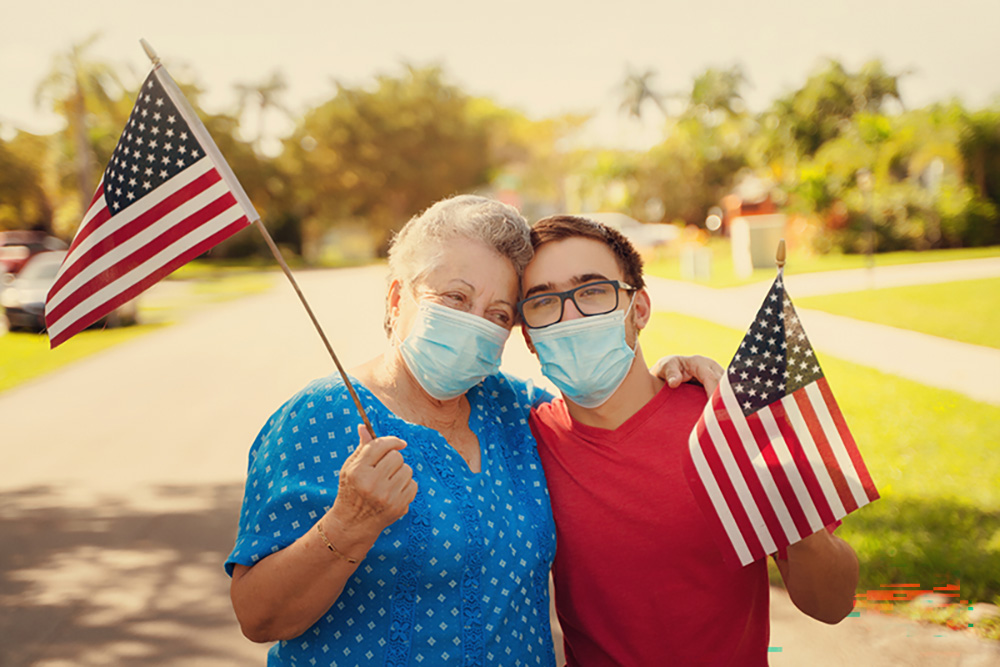
Every year on July 4, Americans celebrate freedom, self-determination, and the ability to make their own choices.
When it comes to serious illness and the end-of-life, independence is still just as important. But it often looks different than it did before.
Many people think of independence in physical terms: driving a car, managing a household, working, preparing meals, or taking care of personal needs without help. As health changes, some of these abilities may become more difficult. That can lead people to worry that they are losing their independence altogether.
But independence is about more than what a person can do alone. Later in life, it often becomes less about physical self-sufficiency and more about something equally important: having your voice heard, your wishes respected, and your choices honored.
Independence can change
Over 70% of older adults want to remain in their homes and communities as they age; more than 40% are willing to invest to make aging in place a reality. Serious illness can disrupt those plans: a person who once managed every aspect of their care may eventually need help with medications, transportation, mobility, or personal care. In a culture that often celebrates self-reliance, these changes can be frustrating – even like a loss.
But needing support does not mean losing independence.
In fact, most people don’t live in complete independence. Throughout life, people may depend on family, friends, healthcare professionals, and communities. At the end –of life, that interdependence simply becomes more visible. Many individuals rely on a network of support helping them maintain comfort, safety, and connection during serious illness. Approximately 53 million Americans help an adult family member or friend.
Accepting help doesn’t automatically mean giving up control. Support can make it possible for people to stay in their homes, take part in activities that matter to them, and conserve energy for the things they value most. Assistance with personal care, symptom management, transportation, or household tasks can reduce stress and improve quality of life.
Agency matters as health declines
Thanks to the 1990 Patient Self-Determination Act (PSDA) federal law, each individual has the right to make their own healthcare decisions, particularly for end-of-life. Research in palliative care and hospice care consistently shows that autonomy and personal control contribute to quality of life for people living with serious illness.
And choices do not disappear simply because someone becomes sicker. It may mean choosing whether to pursue more treatment or to focus on comfort. It may mean deciding who should take part in healthcare conversations. It may mean expressing preferences about where you receive care, how symptoms are managed, or what matters most during the limited time ahead.
Simple questions can reinforce a person’s agency:
- What are your goals right now?
- What are you hoping for?
- What concerns you most?
- How do you want to spend your time?
- What does quality of life mean to you?
One of the most powerful forms of independence at the end –of life is ensuring that others understand what matters to you. Over 90% of Americans recognize the importance of talking about these decisions, but 68% have not started the conversation. When wishes remain unspoken, families can be left guessing what to do during stressful situations.
A different kind of independence
Physical abilities may change over time. The ability to guide care through clearly expressed wishes can endure much longer. At the end of life, independence is not measured by whether someone can do everything alone. It is measured by whether they continue to have a voice.
As we celebrate Independence Day all month, it is worth remembering that independence is not lost simply because health changes. Sometimes, it is redefined.